
General condition
Visual inspection, guarding, fasteners, damage, corrosion, leakage, contamination and abnormal wear.
Planned maintenance
Planned maintenance reviews machine condition, wear items, settings, visible damage and practical steps to improve day-to-day reliability.
Maintenance scope
Each visit is tailored to the machines on site and follows the relevant machine manuals and safety procedures.
Visual inspection, guarding, fasteners, damage, corrosion, leakage, contamination and abnormal wear.
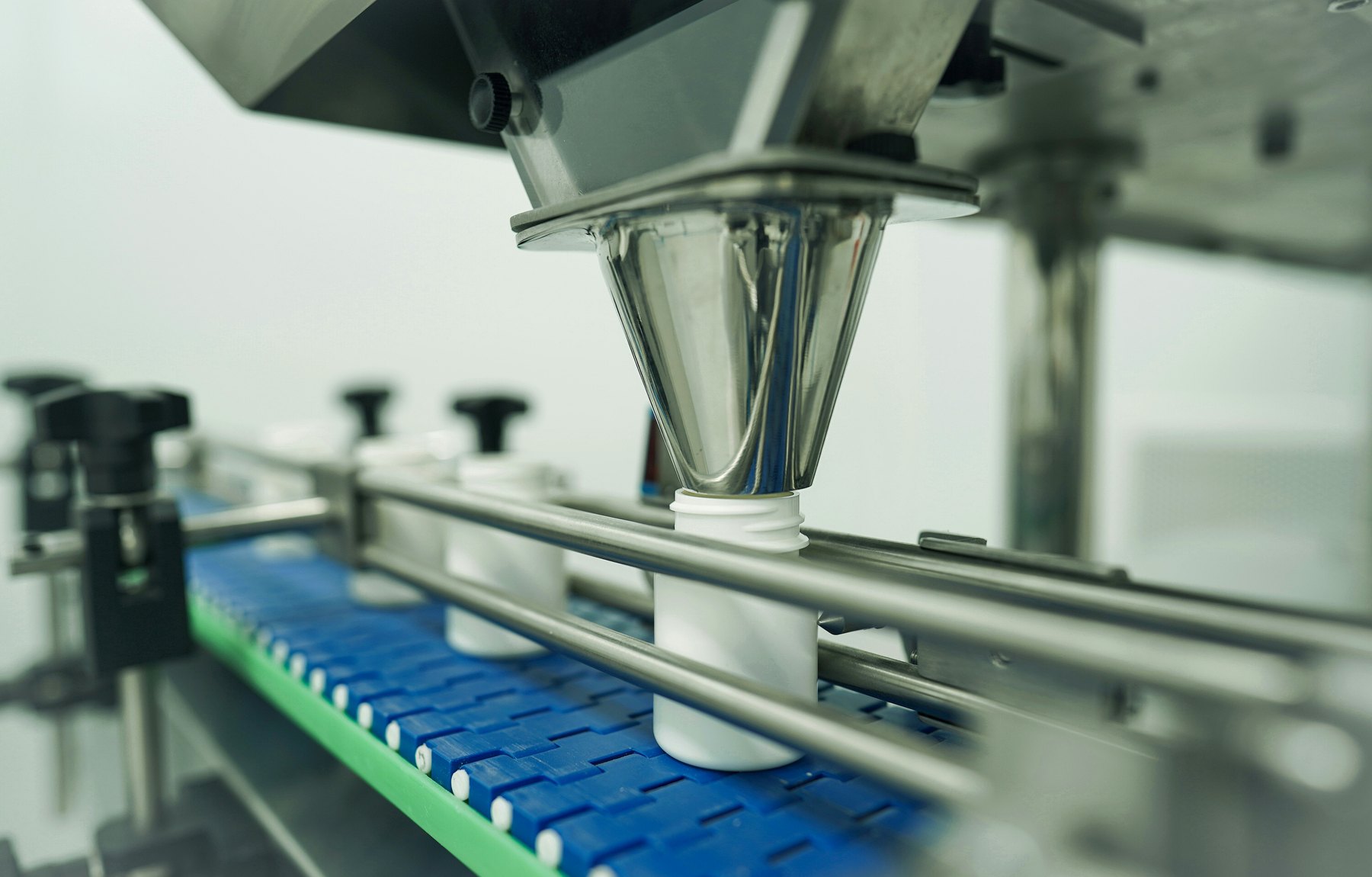
Nozzles, seals, O-rings, tubing, hoses, valves, anti-drip operation and cleaning access.
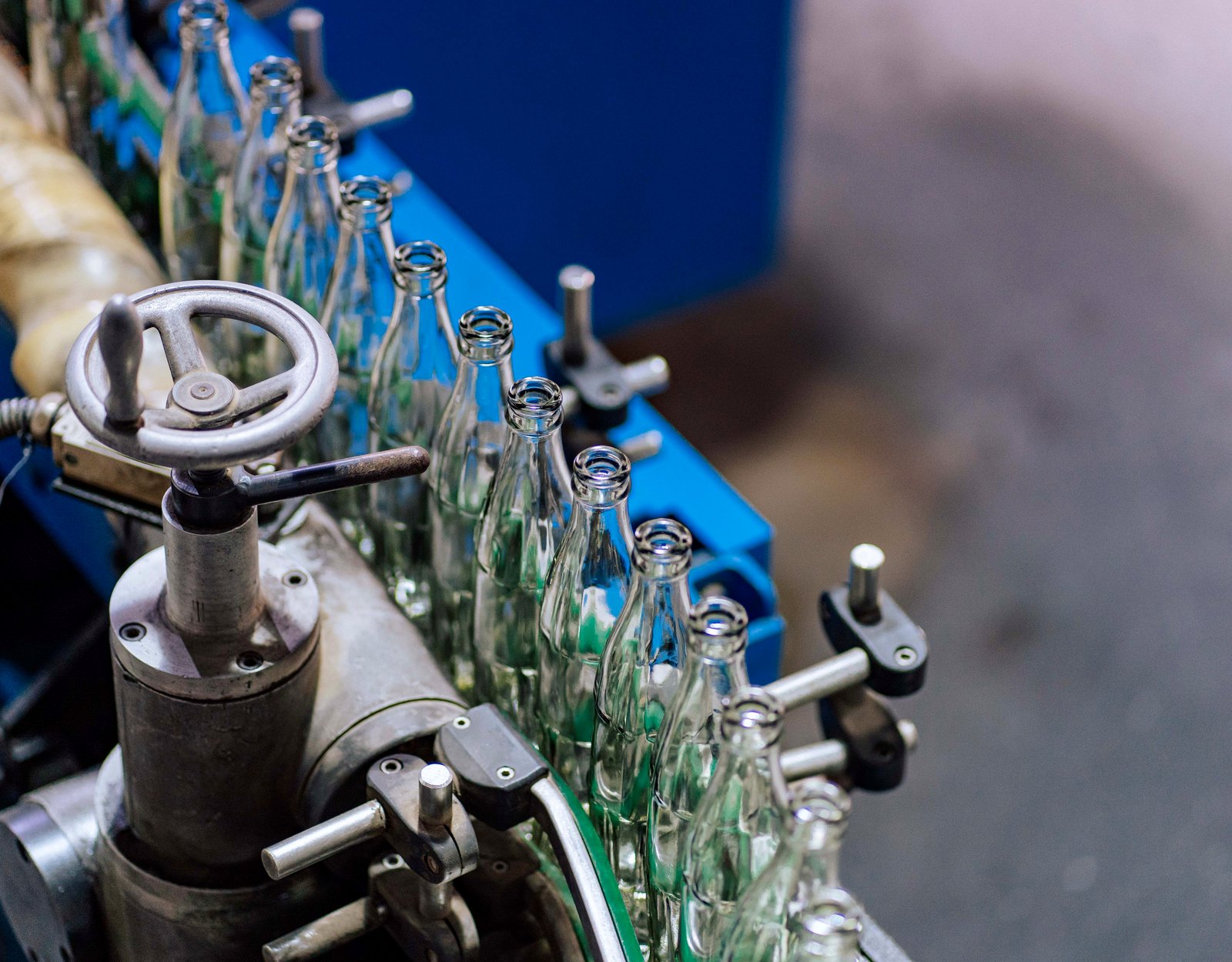
Chucks, gripper belts, cap feed, torque wear points, closures, adjustment points and changeover settings.
Label path, rollers, belts, sensors, wipe-down parts, presentation, tracking and print/apply elements where applicable.
Heat elements, sealing wires, PTFE tape, blades, film path, jaw condition and seal quality indicators.
Belts, slats, guides, transfers, air leaks, regulators, cylinders, sensors, switches and visible cable or hose damage.
After the visit
A planned visit can identify recommended spares, consumables, wear parts, repairs, settings review, operator training, upgrades or further inspection.
Review condition, settings and obvious wear points during the planned visit.
Provide a written summary or service report with practical recommendations.
Quote or schedule required parts, consumables, training or repair work.
Standard and Premium contract levels include planned maintenance visits as part of the annual support cycle.
List the machinery in scope and the records available for each machine. Identify recurring observations, known wear concerns and any planned product or format changes that should be discussed alongside routine service work.
Ask how findings, work completed and recommendations will be reported. Keep work that was inspected or completed separate from additional work still requiring approval, parts or another visit. The record should make that distinction clear for the person responsible for the machine.
A report should let the site identify the equipment, understand what was examined or done, and distinguish completed work from recommendations or unresolved observations. Agree the required reporting detail in advance.