
Breakdown support
Capture the fault details, review likely causes and agree whether remote help, parts or an engineer visit is the right next step.
Machinery service & support
For packaging machinery across filling, capping, labelling, sealing, conveyors and connected line equipment. Use one support route for urgent faults, planned maintenance, service contracts and wear-parts planning.
Service enquiries: support@lancinguk.com
Customer support
For operators, production managers and engineering teams, PackTech gives you a clear route for service support, fault review, planned maintenance and contract cover.
Capture the fault details, review likely causes and agree whether remote help, parts or an engineer visit is the right next step.
Routine inspections covering condition, settings, wear items, safety observations and practical operating recommendations.
Essential, Standard and Premium options for clearer response routes, planned cover and spare-parts discount levels.
Machine-specific wear parts and consumables packs can be planned around running hours, line criticality and previous parts use.
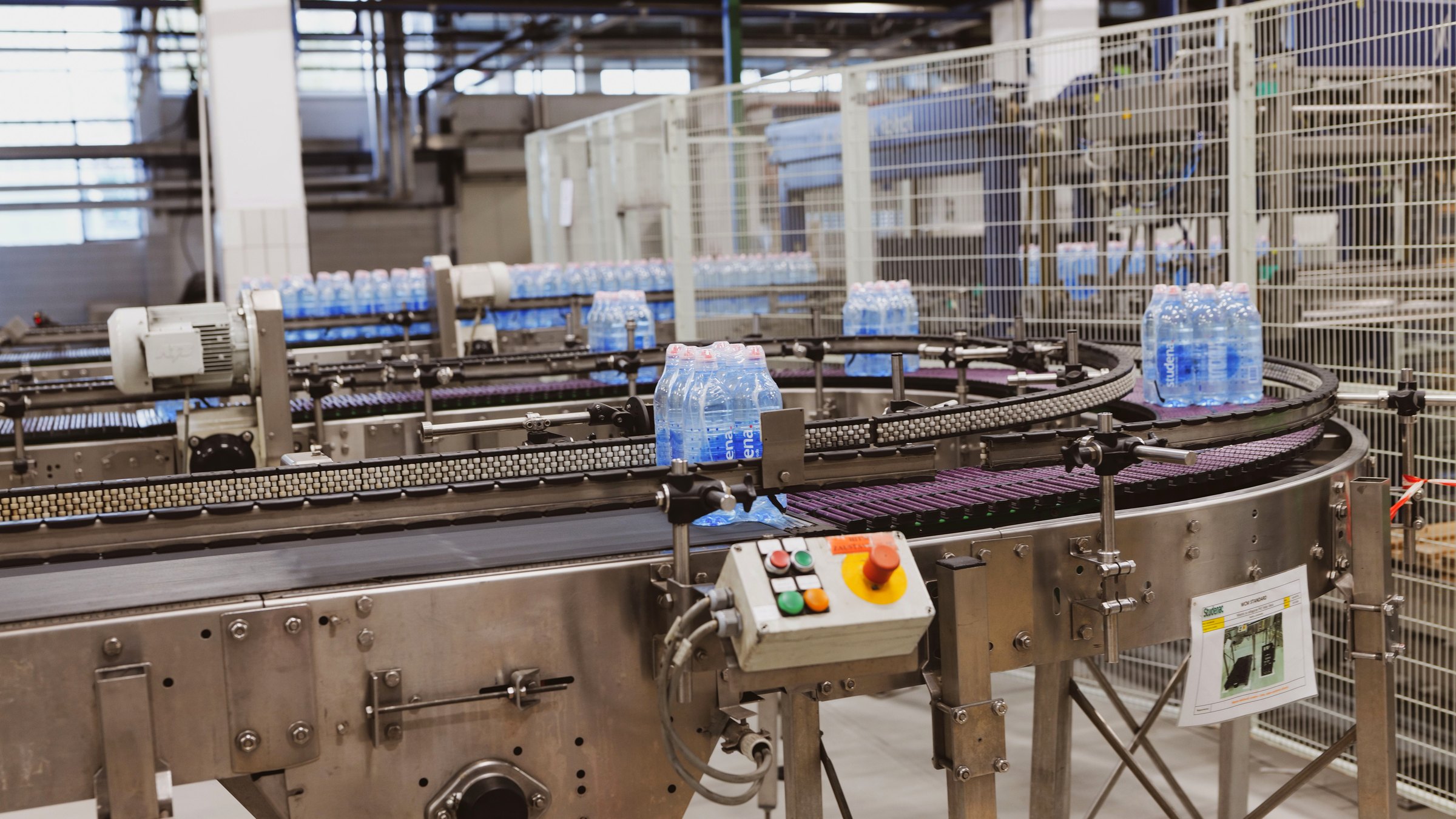
For stopped lines, intermittent faults, repeat jams, inconsistent product flow, warning messages and urgent production issues.
How breakdown support works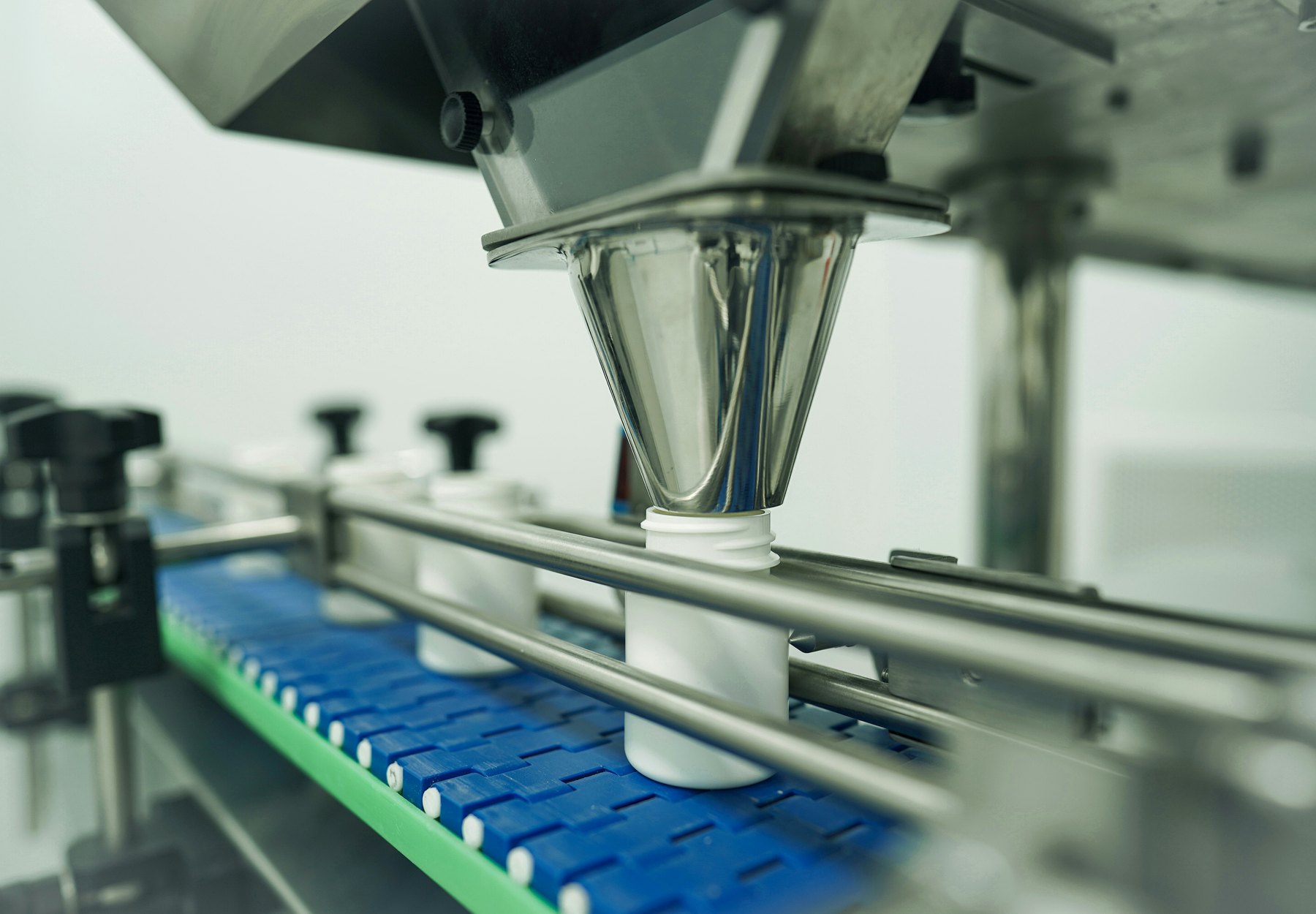
Planned visits help identify wear, adjustment issues and follow-on work before small issues become production stoppages.
View maintenance scope
Choose a support level that matches machine usage, line criticality and the level of priority support required.
Compare contracts
Service process
When requesting support, the most useful details are machine model, serial number, site contact, urgency, fault description, photos or video, product and pack details, error messages and any recent changes.
Tell us what has happened and how it is affecting production.
We assess likely cause, safety position, parts need and whether a site visit is required.
That may be remote guidance, a quotation, engineer scheduling, parts supply or further review.
Service contracts
The prices below give a clear starting point. Your quotation will confirm the machines covered, site location, running hours, installed options and whether comparable non-Lancing machinery is included.
For lower running hours or sites with capable in-house operators.
For regular production sites that need priority support and planned maintenance.
For production-critical lines where downtime carries a higher operational cost.
Machinery covered
We support Lancing machinery and selected comparable equipment in the same operating range, subject to machine type, condition, access, modifications and parts availability.
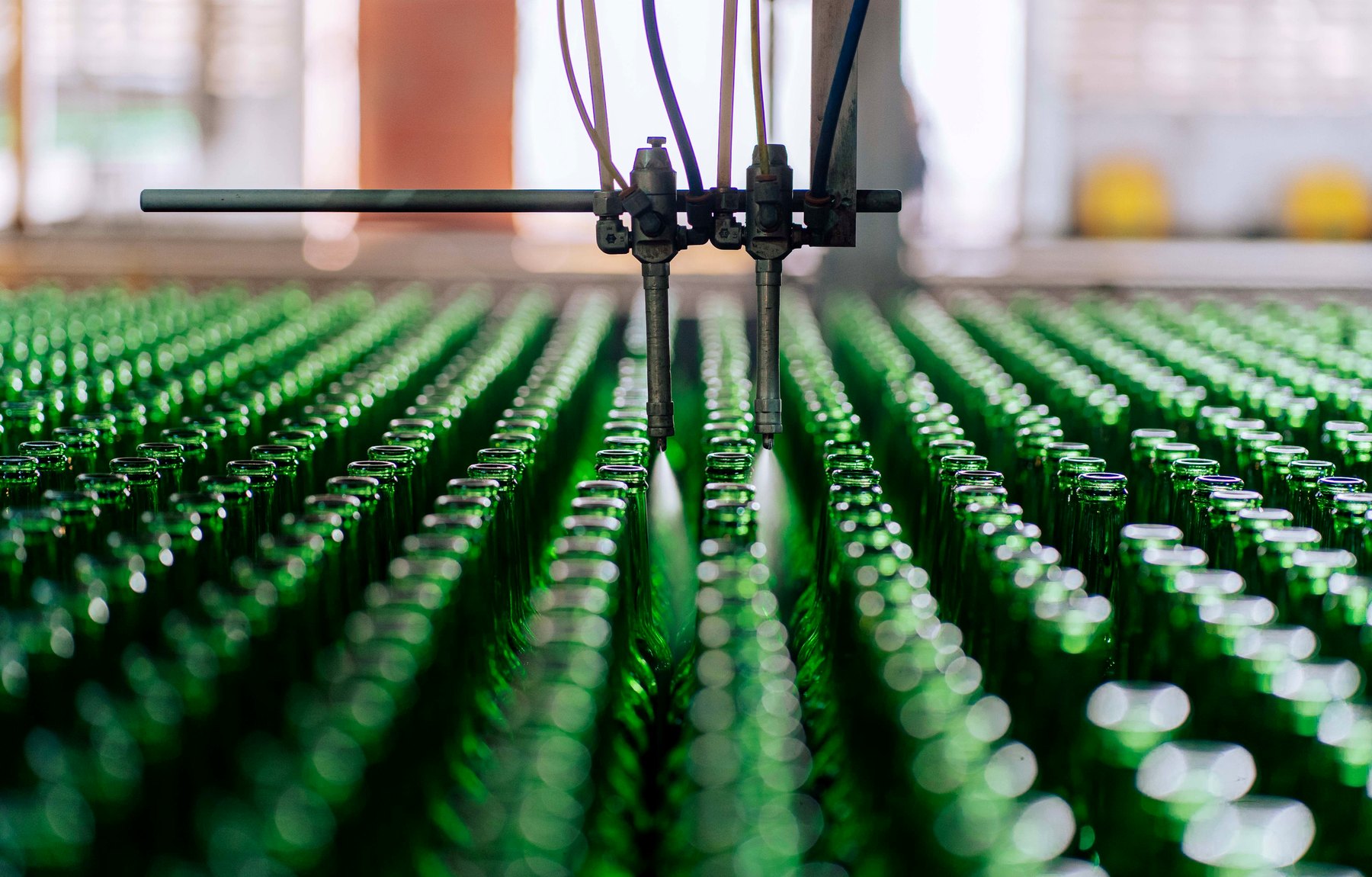
A useful packaging machinery fault report describes what changed before the stoppage. Include the model and serial number, the exact alarm text, when the fault appears and the step the machine is attempting. Note a recent format change, new packaging batch, cleaning activity, adjustment or replaced part. Separate what the operator observed from any suspected cause so Packserv can assess the evidence clearly.
For an intermittent problem, record its pattern: which product or pack is running, whether the fault follows a pause and whether it affects every unit or occasional ones. Safe photographs of the whole machine, the display and a rejected pack can be more useful than a close-up without context. Do not remove safeguards or repeat an unsafe action to obtain a video; maintenance work needs suitable isolation and competent people.
Give the support team the site contact, production impact and access restrictions, then agree whether the next step is remote review, parts identification or an engineer visit. Keep the fault history with the machine’s service records. If the same issue returns, that history helps distinguish a repeat symptom from a new condition and supports a more focused follow-up discussion.
Save the exact alarm, operating stage, product variant and circumstances before and after the reset. Report a recurring pattern and follow the machine’s instructions; a reset does not establish that the underlying problem has been resolved.
Ask the quotation or contract to identify included work, parts and any follow-on approval. Provide machine identification and previous service information so the required items can be checked before the visit.
A service contract should describe which machines and activities are covered, how support is requested and what happens when inspection finds additional work. Use the same machine list and production pattern when comparing levels of cover.
List model, serial number, installed options and known modifications. Include recent faults and maintenance records. Confirm eligibility and any initial condition review before assuming that every machine on a connected line falls within the contract.
Separate scheduled inspection and maintenance from urgent triage, attendance, corrective work and replacement parts. Clarify what each planned visit covers and which tasks depend on access, machine condition or an approved shutdown. A visit allocation is different from an unlimited repair commitment.
Ask the proposal to define the support route, operating hours and escalation process. Distinguish an acknowledgement, remote review, engineer scheduling and restoration of production. Identify the site contact, safe access and available records needed for the support team to act.
Agree the service report contents, parts identification and approval route for remedial work. Keep unresolved observations with the machine record rather than treating the visit itself as closure. Repeated faults should be reviewed against the earlier findings and changes made.
Use the contract comparison for the published options and planned maintenance for the work scope. If production is already stopped, use breakdown support with the exact fault, machine identity and production impact. The written quotation or agreement confirms current cover and charges.
Identify the machine, its location and the production task affected before choosing a support route. Keep model and serial information, photographs and the current fault description together so the discussion refers to the same equipment and event. Describe what has been observed rather than assuming the cause.
Separate an urgent interruption from planned maintenance, parts enquiries and longer-term contract discussions. Explain the operational impact and any access restrictions, then ask what information is needed to agree the next step. A request for support is not confirmation of a visit time, parts availability or a repair outcome.
After work is discussed or completed, keep the agreed scope, observations and outstanding recommendations with the machine record. Identify who will review the service information and approve the return to normal production under your own procedures. This helps future enquiries build on evidence from the same machine instead of starting again from an incomplete description.
Ask for an explicit booking and scope confirmation. Keep the response with the machine details and any access or preparation instructions relevant to the agreed visit.